[vc_empty_space height="-5px"]
Alienum phaedrum torquatos nec eu, vis detraxit periculis ex, nihil expetendis in mei. Mei an pericula euripidis, hinc partem. [vc_empty_space height="10px"]
[vc_empty_space height="20px"]

Human
Trafficking

101

What is Human Trafficking?

Definition

Human Trafficking is defined as the recruitment, harboring, moving, or obtaining of a person by force, fraud or coercions for the purpose of involuntary servitude, debt bondage, slavery or commercial sex acts.

U.S. Federal Law

Minors under the age of 18 detained for commercial sex are not criminals, but sex trafficking victims, and are not subject to criminal prostitution charges.

Human trafficking is a crime against every person’s God-given basic human rights and dignity.

Categories

Labor & Sex Trafficking

Methods

How Does Trafficking Occur?

Understanding recruitment methods and how trafficking occurs in a community will assist with the identification of potential victims.

Force

Most victims are not kidnapped in the United States but the use of force can occur including physical restraint, physical harm, sexual assault, beatings and confinement and is often used to control victims, especially during early stages of victimization to break down the victim’s resistance.

Fraud

Includes false promises regarding employment, wages, working conditions, love, marriage or a better life. Over time, there may be unexpected changes in work conditions, compensation or debt agreements or nature of relationship.

Coercion

Includes threats of serious harm to or physical restraint against any person, psychological manipulation, document confiscation, and shame and fear-inducing threats to share information or pictures with others or report to authorities.

Get familiar with the basics of Human Trafficking

Annual World-Wide Facts

$236 Billion
Industry
Fastest growing criminal industry in the world
second only to illegal drug trade and recently surpassed the illegal gun trade.
According to the U.S. Dept. of State, there are
27.9 million people in Labor and Sex Trafficking
but according to the International Labour Organization and Global Slavery Index, that number is as high as 50 million with 22 million in forced marriages.

Common Misconceptions

Many Believe it is Primarily:

Illegal prostitution for money

Victims are girls

Not where I live

Inflicted by pimps and I know what they look like

I don’t know anyone who is a victim

Traffickers only target those who are homeless, poor, or from other countries

I’m not involved

Types of Human Trafficking

Forced & Child Labor

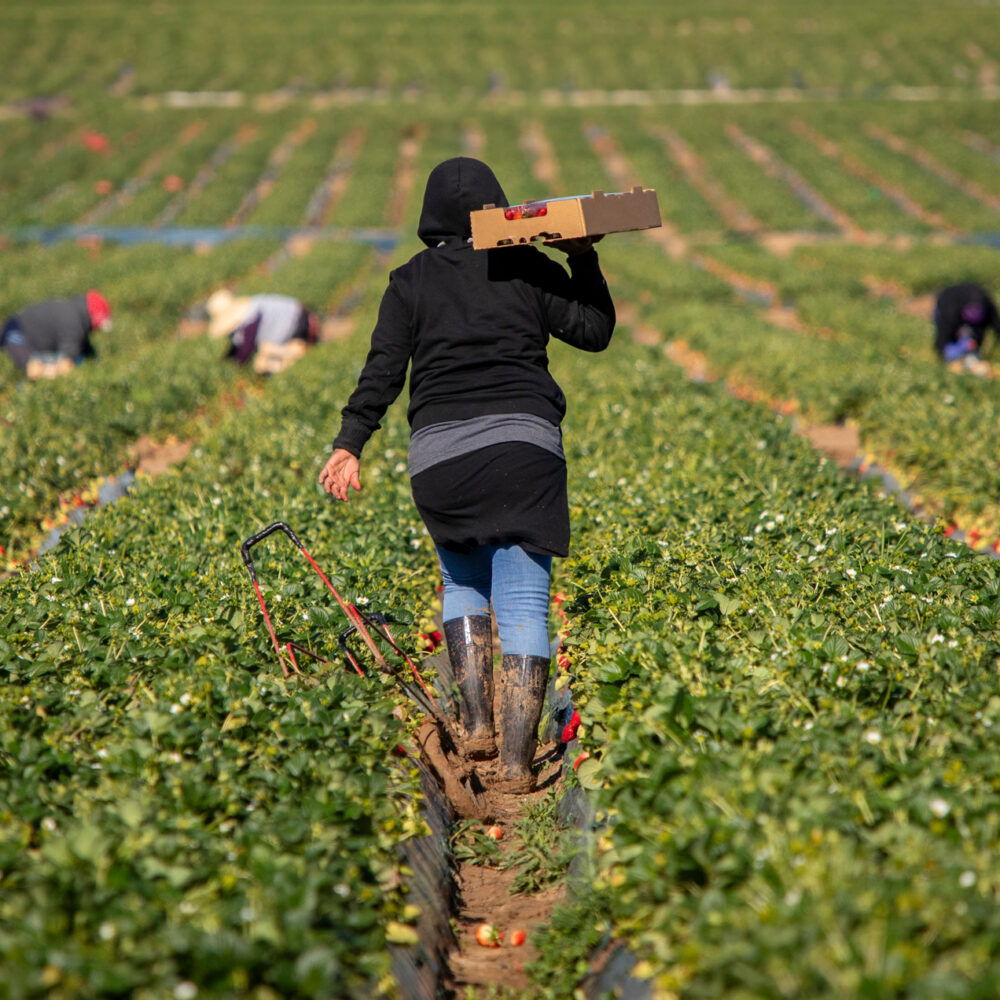
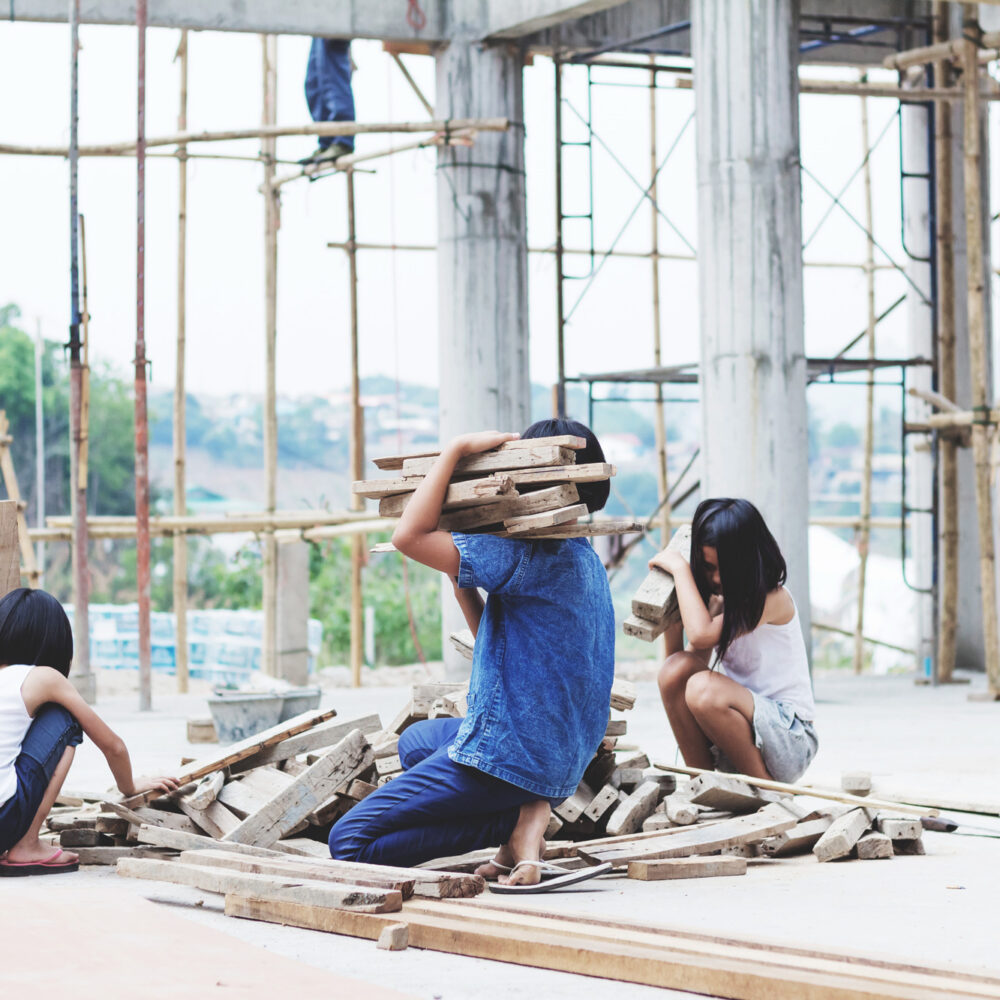
When we think of human trafficking, we may think of a child in India making rugs or working on family farms in another country or victims are forced to work for little or no pay, under the threat of violence, often manufacturing or harvesting the products we use and consume every day. What we may not realize is that this happens in the United States as well.


Baby Factories

Women are held against their will, impregnated and give birth. Their babies are then taken from them and sold to couples or used in organ trafficking.

Forced Marriage

Women and children who are forced to marry another without their consent or against their will. Child marriage is still legal in many states in the U.S. and is still practiced here.

Garment Industry

Do you recall the Rana Plaza collapse in Bangladesh where the building collapsed killing more than 1,100 garment workers? How many know there’s a FABRIC Act Coalition fighting for the rights and wages of workers here in the U.S. Labor exploitation also happens here in the U.S. You can learn more about this issue with the Catholic Purchasing Alliance.

Child Soldiers

Thousands of children are recruited and used in armed conflicts across the world.

Organ Trafficking

Receipt of living or deceased persons or their organs using threat or use of force or other forms of coercion.

Greed

Why is it Done?

Trafficking is due in part to the greed of the perpetrators for wealth, control and power. It is also due to the demand of the consumer who wants to buy people for sex, view pornography and buy cheaper products of all types.

Traffickers:

  • Greed, need for power, control & wealth
  • $32 billion dollars in the U.S.
  • Minimal risk for traffickers

Consumer Demand:

  • Prostitutes & child victims
  • Pornography
  • Cheaper products

Who Are the Victims?

You may be enabling human trafficking when you buy products from these victims’ labor (these are not all inclusive).

  • Massage Workers
  • Farm Workers
  • Prostituted People
  • Children
  • Fishermen
  • Models
  • Immigrants
  • Restaurant Workers
  • Construction Workers
  • Domestic Workers
  • Factory Workers
  • Exotic Dancers

Risk Factors

Traffickers tend to prey on the most vulnerable. Those living in extreme poverty, who lost their livelihoods due to natural disasters or have a need to belong and feel loved, abused, poor and unemployed.

  • Family abuse/neglect
  • Bullying or being bullied
  • Sending messages with sexual content, graphic video or photos
  • Secret meeting with someone I met online
  • Use of pornography
  • Escape from war, persecution and other forms of violence
  • Migratory status
  • Lack of job opportunities
  • Lack of education
  • Living in poverty, homeless
  • Natural disasters
  • Drug & alcohol use
Familiar

Who are the Traffickers?

Traffickers can look like those we know and trust. They can be men and women, any age, those in authority, teachers, politicians, family members, celebrities, law enforcement, religious leaders, and teenagers.

26-47%
of trafficked children are sold by parents, legal guardians or relatives

Where Do
Traffickers Prey?

Traffickers can prey anywhere, but the internet and social media are a major source for predator’s recruitment:

  • Malls
  • Businesses
  • Attractions
  • Playgrounds
  • Restaurants & Coffee Shops
  • Movie Theaters
  • Night Clubs
  • Schools & College Campuses
  • Sporting events
  • Airports
  • Hotel, motel, shelters
  • At natural disasters

Traffickers meet the needs of love, belonging, and esteem through online grooming or by posing as a boyfriend (also known as the Romeo Trafficker or Boyfriend Pimp).

Why Do Victims Stay?

  • Trauma Bond with “Romeo Trafficker”
  • Controlled by captors
  • Lacks understanding of their situation
  • Feeling helpless & afraid
  • Threats to them, family, friends
  • Beaten, starved, drugged, brainwashed, worse by “Guerilla Traffickers”